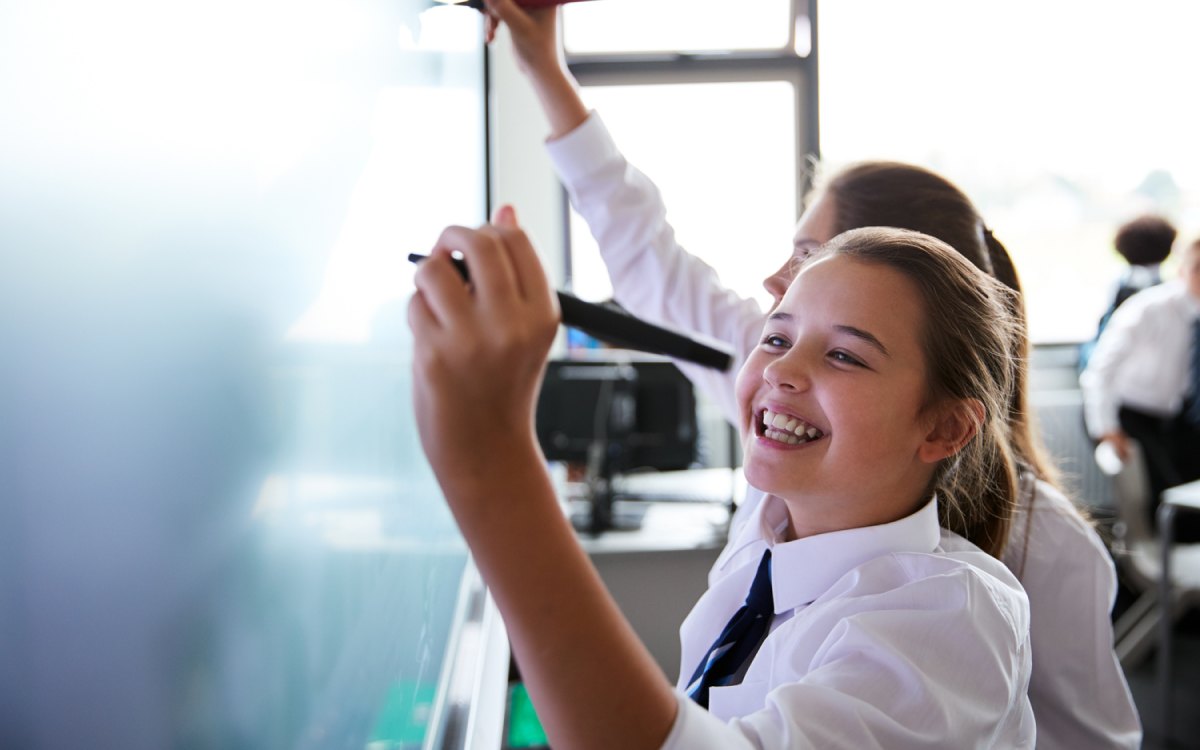
Early education plays a crucial role in shaping a child’s cognitive, emotional, and social development. The right environment, teaching approach, and school structure can influence confidence, curiosity, and foundational skills. A wide range of early learning schools are designed to cater to different learning styles and developmental needs. Exploring these types helps parents and guardians make informed choices that align with educational goals while supporting a balanced and enriching start to schooling.
Play-Based Early Learning Schools
Play-based schools focus on learning through structured and unstructured play activities. These environments encourage creativity, imagination, and social interaction among girls.
Instead of formal instruction, children engage in activities such as storytelling, role play, and hands-on exploration. This method supports language development, emotional intelligence, and problem-solving skills. Teachers act as facilitators, guiding children rather than directing them.
Such schools are particularly beneficial for building confidence and communication abilities at an early stage. They create a stress-free atmosphere where girls can develop naturally without academic pressure.
Montessori Schools
Montessori schools follow a child-centred approach that emphasises independence and self-paced learning. Classrooms are designed with specialised materials that encourage exploration and discovery.
Each child is allowed to choose activities based on interest, fostering responsibility and concentration. Mixed-age classrooms are common, allowing younger girls to learn from older peers while developing social skills.
The structured yet flexible environment helps in building discipline, coordination, and critical thinking. This type of school is often preferred for its emphasis on holistic growth rather than rote learning.
Waldorf Early Learning Schools
Waldorf schools prioritise creativity, imagination, and artistic expression. The curriculum integrates music, storytelling, crafts, and movement into daily activities.
Formal academics are introduced gradually, allowing girls to develop emotional and social maturity first. Teachers often stay with the same group of students for multiple years, creating a consistent and nurturing environment.
Natural materials and limited use of technology are key features. This approach supports sensory development and encourages meaningful engagement with the surroundings.
Reggio Emilia Approach Schools
Reggio Emilia schools focus on collaborative learning and self-expression. Children are viewed as capable individuals with their own ideas and perspectives.
Learning is project-based, with topics often emerging from children’s interests. Teachers document progress through observations, photographs, and discussions, allowing for reflective learning.
Classrooms are designed as interactive spaces, often referred to as the “third teacher”. This type of school encourages curiosity, teamwork, and communication among girls while promoting creative thinking.
Academic-Focused Early Learning Schools
Some early learning schools emphasise structured academic preparation. These institutions introduce foundational concepts in literacy, numeracy, and general knowledge at an early stage.
Lessons are more formal compared to play-based environments, with scheduled activities and assessments. This approach can help girls develop discipline and familiarity with classroom routines.
While academic readiness is prioritised, many such schools also include co-curricular activities to maintain a balanced learning experience. Choosing this type often depends on long-term educational goals.
Language Immersion Schools
Language immersion schools introduce children to one or more additional languages during early education. Learning occurs through daily interaction, storytelling, and activities conducted in the target language.
This method helps girls develop strong communication skills and cultural awareness. Early exposure enhances pronunciation, comprehension, and cognitive flexibility.
The environment encourages natural language acquisition rather than memorisation. Such schools are beneficial for multilingual development from an early stage.
Inclusive and Special Education Schools
Inclusive schools are designed to accommodate children with diverse learning needs. These environments ensure that girls with varying abilities learn together in a supportive setting.
Special educators, adaptive teaching methods, and customised learning plans are key features. The focus is on individual progress rather than uniform outcomes.
Such schools create an environment where every child feels valued and supported in their learning journey.
International Curriculum Schools
International curriculum schools follow globally recognised educational frameworks. These may include inquiry-based learning, interdisciplinary teaching, and skill development.
The focus extends beyond academics to include critical thinking, communication, and global awareness. Girls are encouraged to explore different perspectives and develop independent thought.
Exposure to diverse cultures and teaching styles prepares students for broader educational opportunities. This type of school is often chosen for its structured yet flexible curriculum.
Nature-Based Early Learning Schools
Nature-based schools integrate outdoor learning into daily activities. Children spend significant time exploring natural surroundings, engaging in activities such as gardening, observing wildlife, and outdoor play.
This approach supports physical development, environmental awareness, and sensory experiences. It also helps reduce stress and improves focus.
Learning in natural settings encourages curiosity and resilience. For girls, such environments can foster independence and a strong connection with the environment.
Home-Based Early Learning Centres
Home-based centres offer early education in a smaller, more personalised setting. These are often run by trained educators within a home environment.
The smaller group size allows for individual attention and flexible routines. Girls may find it easier to adjust in such settings, especially during the initial stages of schooling.
Activities typically include play, basic academics, and social interaction. This type of school provides a comfortable and familiar atmosphere while supporting early development.
Cooperative Early Learning Schools
Cooperative schools involve active participation from parents or guardians in the educational process. Families may contribute to classroom activities, administration, or event organisation.
This model creates a strong sense of community and shared responsibility. Girls benefit from close collaboration between educators and families.
The approach supports social development and reinforces learning at home. It also allows parents to stay closely involved in their child’s early education.
Choosing the Right Type of School
Selecting the appropriate type among early learning schools depends on several factors, including a child’s personality, learning style, and developmental needs.
Some girls thrive in structured environments, while others benefit from creative or play-based approaches. Observing how a child responds to different settings can provide useful insights.
Practical considerations such as location, class size, and teaching philosophy also play an important role. A well-matched school environment can support confidence, curiosity, and a positive attitude towards learning.
Conclusion
Early learning schools come in various forms, each offering distinct approaches to education. From play-based and Montessori to academic-focused and nature-based environments, the options cater to diverse needs and preferences. For girls, the right choice can support not only academic readiness but also emotional growth, independence, and social skills. Exploring these types with clarity ensures that early education becomes a strong foundation for lifelong learning and development.